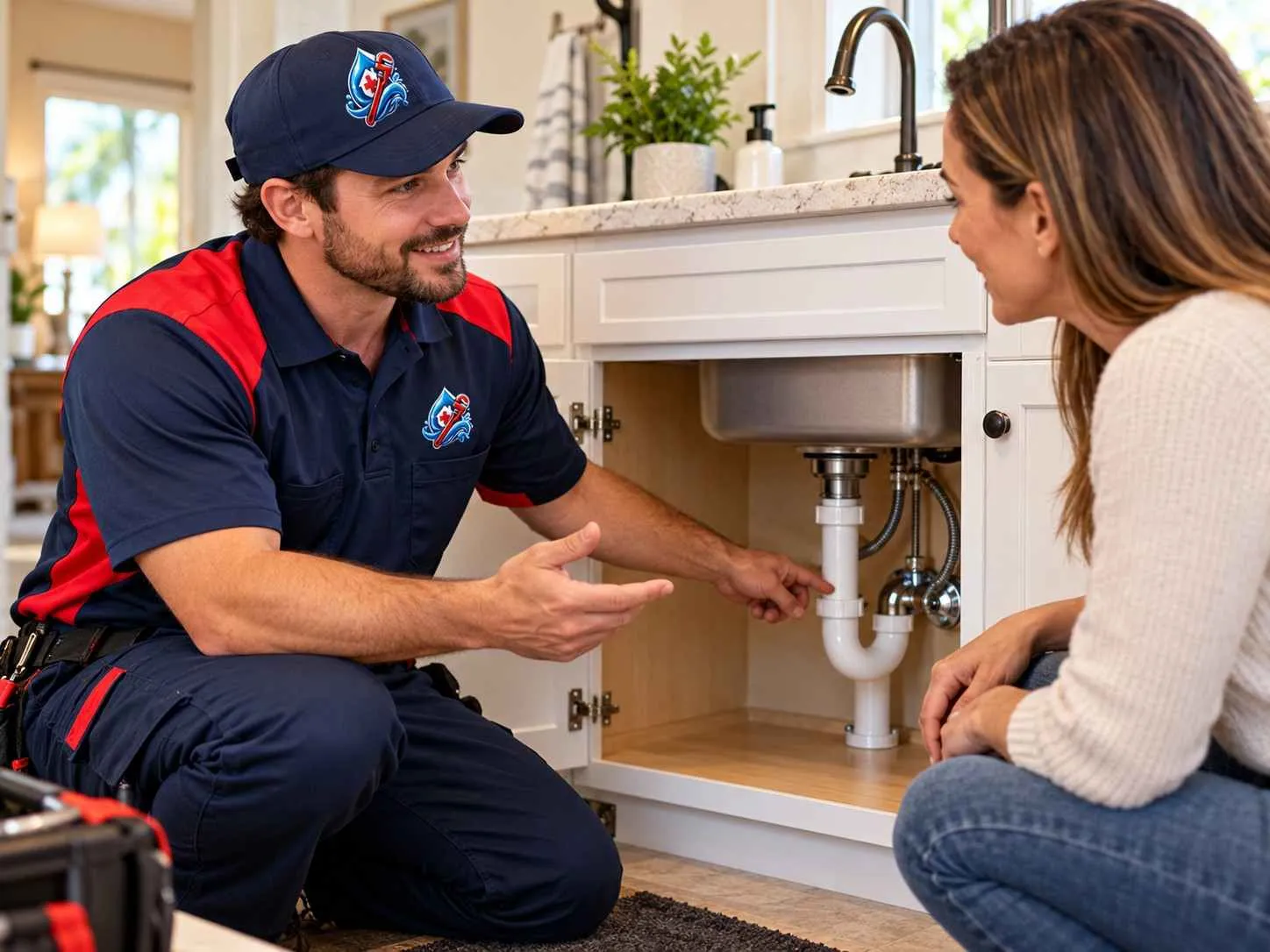
Rising Bowl
Water that rises instead of leaving the bowl can indicate a blockage in the toilet trapway or nearby fixture drainage path.
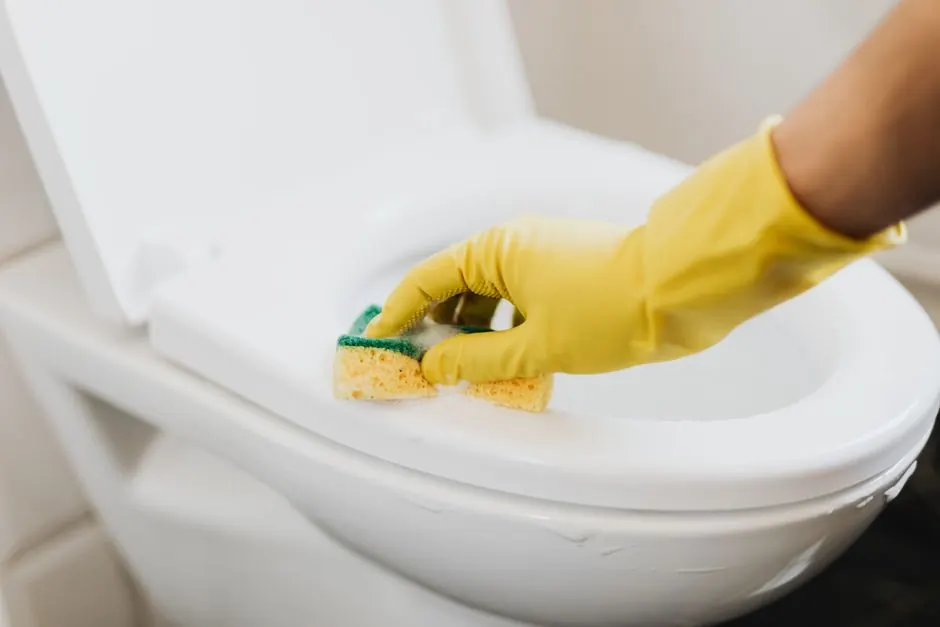
Urgent Toilet Overflow Help
A toilet that keeps rising or spilling onto the floor needs quick attention before more water reaches the surrounding area. Plumb Rescue provides emergency overflowing toilet repair in Bradenton, FL, focused on containing the overflow, identifying the fixture-level problem, and restoring normal toilet operation.
Emergency plumbing information
Emergency overflowing toilet repair focuses on problems centered on the toilet fixture itself. The service addresses rising bowl water, localized blockages, repeated overflow, and toilet components that prevent the fixture from filling, flushing, or draining correctly.
Water that rises instead of leaving the bowl can indicate a blockage in the toilet trapway or nearby fixture drainage path.
A blockage inside the toilet or its immediate drain connection can prevent wastewater from leaving after a flush.
A toilet that overflows again after the first incident needs evaluation before another flush sends more water onto the floor.
A fill valve, flapper, water level, or other tank component can malfunction and keep water moving when the toilet should stop.
Emergency plumbing information
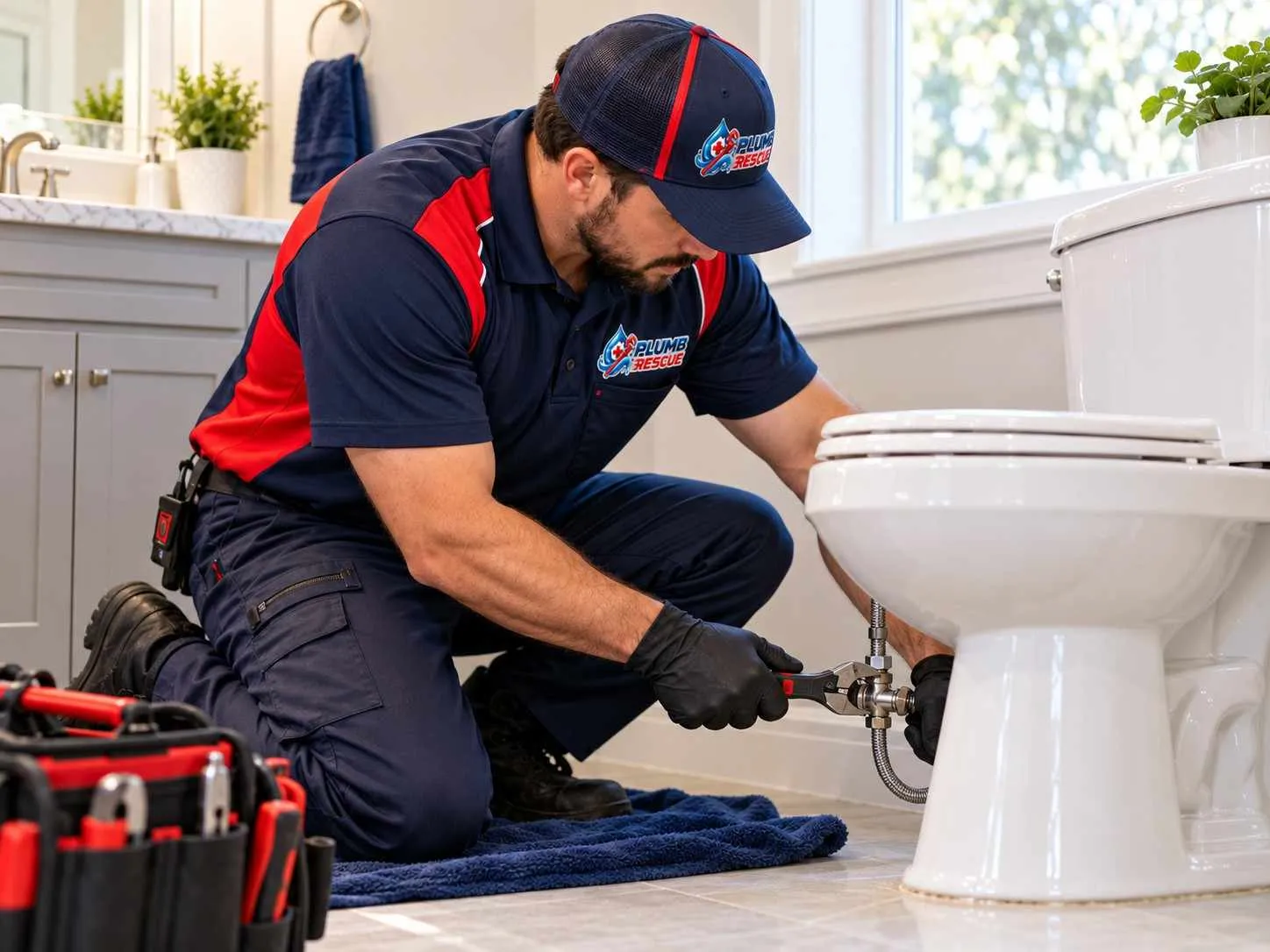
An overflowing toilet can put water or wastewater directly onto bathroom flooring and make the fixture unusable. Repeated flushing can also add more water to a toilet that already cannot drain properly.
Overflow can spread around the toilet base and expose flooring, nearby cabinets, walls, or belongings to contaminated water.
A tank or fill-valve problem can keep supplying water when the fixture should stop filling, increasing the chance of another overflow.
A toilet that cannot flush or drain normally should stay out of use until the blockage or failed fixture component receives attention.
What to expect
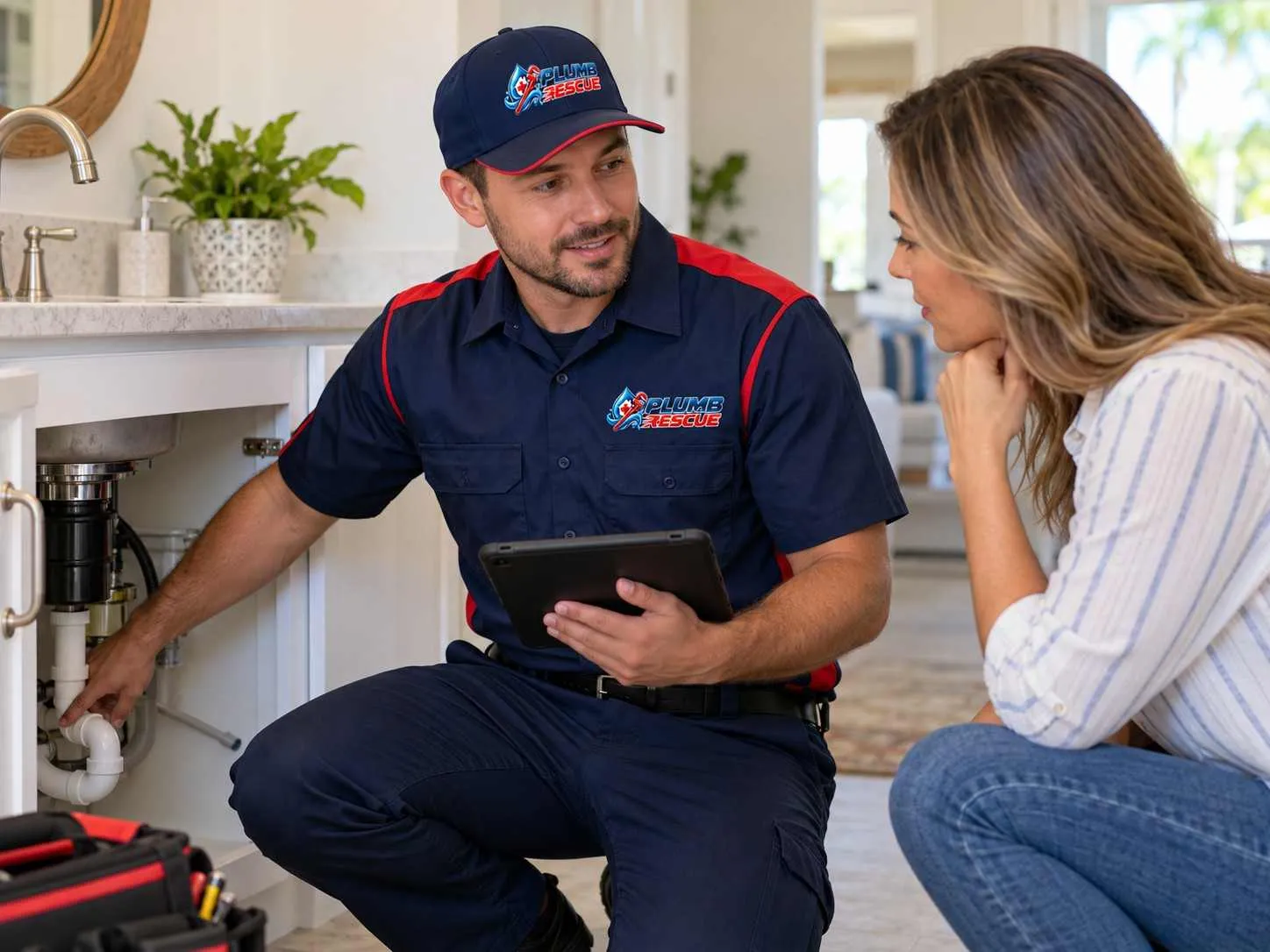
Emergency toilet repair starts by controlling the fixture and identifying why the bowl overflowed. The service then separates a localized toilet problem from a broader drainage issue before addressing the affected component or blockage.
The technician controls water entering the toilet when continued filling or another flush could cause additional overflow.
The technician examines the bowl, tank, shutoff, and flushing components for signs of a localized toilet failure.
The evaluation determines whether a fixture blockage, tank component, or immediate drainage problem caused the overflow.
The technician addresses the failed toilet component or localized blockage responsible for preventing normal flushing and drainage.
After repair, the technician checks the fixture to confirm the bowl drains and the tank fills and stops normally.
Emergency plumbing information
The correct repair depends on what caused the bowl to rise. A blocked trapway, malfunctioning tank component, and repeated fixture overflow require different repair decisions even though they can produce similar symptoms.
A localized obstruction can stop wastewater from passing through the toilet trapway and cause bowl water to rise after flushing.
A fill valve that does not shut off correctly can continue sending water into the tank and affect normal toilet operation.
A worn, dirty, or misaligned flapper or seal can interfere with normal tank operation and keep the toilet running or refilling.
The number of affected fixtures helps determine whether the problem stays at the toilet or extends into a broader wastewater path.
Emergency plumbing information
Do not keep flushing to see whether the toilet clears itself. Focus on stopping additional water, limiting contact with overflow, and identifying whether the problem affects only one toilet.
Leave the handle alone after the bowl rises. Another flush can add more water before the fixture has a chance to drain.
Turn the toilet's fixture shutoff valve off if water continues entering and you can reach the valve without contacting overflow water.
Keep children, pets, and unnecessary foot traffic away from water that has spilled from the toilet onto surrounding surfaces.
Contact Plumb Rescue when the toilet keeps rising, overflows repeatedly, or cannot return to normal flushing and drainage.
For immediate homeowner steps, read the toilet overflow guide.
If several fixtures start returning wastewater, review our sewer backup service instead.
Emergency plumbing information
A toilet can overflow when wastewater cannot leave the bowl normally or when fixture components keep supplying water incorrectly. The repair should follow the specific fixture condition that caused the overflow.
Paper, waste, or another obstruction can restrict the toilet trapway and prevent bowl contents from moving into the drainage system.
A fill valve can continue running when debris, wear, or another valve problem prevents the component from shutting off correctly.
An incorrect tank water level can affect normal flushing and allow water to enter the overflow path inside the tank.
A worn flapper, seal, chain, or flush-valve component can interfere with how the tank releases and controls water during flushing.
Emergency plumbing information
A one-time slow flush does not always mean the toilet is overflowing. The stronger warning signs involve rising bowl water, repeated overflow, uncontrolled filling, or a fixture that cannot drain normally.
Bowl water that climbs toward the rim after flushing shows that the toilet is not moving wastewater away normally.
Water spilling over the bowl onto the bathroom floor requires immediate containment and attention to the affected toilet.
A toilet that overflows again after an earlier incident likely has an unresolved fixture or localized drainage problem.
A toilet that keeps running or refilling can involve the fill valve, flapper, seal, water level, or another tank component.
Emergency plumbing information
The pattern of affected fixtures changes the service decision. One overflowing toilet usually points toward a fixture-level or localized drainage problem, while wastewater returning through several fixtures can indicate a broader sewer backup.
A problem limited to one toilet keeps the repair focus on that fixture, its tank components, trapway, and immediate drainage connection.
Toilets, showers, or drains backing up together can move the problem beyond a single toilet and toward a shared wastewater path.
Toilet-centered symptoms fit overflowing toilet repair, while multi-fixture wastewater return belongs more closely to emergency sewer backup service.
Separating a fixture problem from a broader drainage problem prevents the repair from targeting the wrong part of the plumbing system.
Common questions
Stop flushing immediately. Close the toilet's shutoff valve if water continues entering and you can reach it safely, then call for repair.
A blockage in the toilet trapway or immediate drainage path can prevent wastewater from leaving normally, causing the bowl level to rise.
The fill valve, flapper, seal, chain, or water level may prevent the tank from stopping or refilling normally. The affected component needs evaluation.
Not necessarily. A problem limited to one toilet usually supports fixture-level repair. Wastewater backing up through multiple fixtures points more strongly toward a sewer backup.
Avoid another flush until you know why the toilet overflowed. A temporary drop in bowl level does not confirm that the blockage or fixture problem has cleared.
Emergency plumbing help
A toilet that keeps rising, overflowing, or refusing to drain normally can quickly make the bathroom unusable. Contact Plumb Rescue for emergency overflowing toilet repair in Bradenton, FL, when the fixture needs immediate attention.