Multiple Backups
Wastewater appearing through several fixtures can signal a problem beyond one localized drain and within a shared drainage path.

Urgent Sewer Backup Help
Wastewater backing up through drains or multiple plumbing fixtures can make normal use unsafe and expose interior surfaces to sewage. Plumb Rescue provides emergency sewer backup service in Bradenton, FL, focused on identifying the affected drainage path, addressing the blockage, and restoring wastewater flow.
Emergency plumbing information
Emergency sewer backup service focuses on wastewater that cannot leave the property through the normal drainage path. The service becomes especially relevant when sewage returns through multiple fixtures, floor drains, or other connected drainage points.
Wastewater appearing through several fixtures can signal a problem beyond one localized drain and within a shared drainage path.
Sewage entering a toilet, shower, tub, or floor drain shows that wastewater is moving back toward the property instead of exiting.
Wastewater rising through a floor drain can indicate that the drainage system cannot move incoming flow through its normal path.
A restriction within the main drainage route can affect several connected fixtures instead of causing one isolated sink or tub blockage.
Emergency plumbing information
A sewer backup combines a plumbing failure with wastewater exposure. Continued fixture use can add more wastewater to a drainage system that already cannot move flow away from the property.
Returned wastewater can reach floors, bathrooms, utility areas, or other interior surfaces when the drainage system cannot carry it away.
Using connected fixtures can send additional wastewater toward the blocked path and contribute to more backup inside the property.
A broader sewer blockage can prevent several toilets, sinks, showers, or drains from operating normally until wastewater flow returns.
What to expect
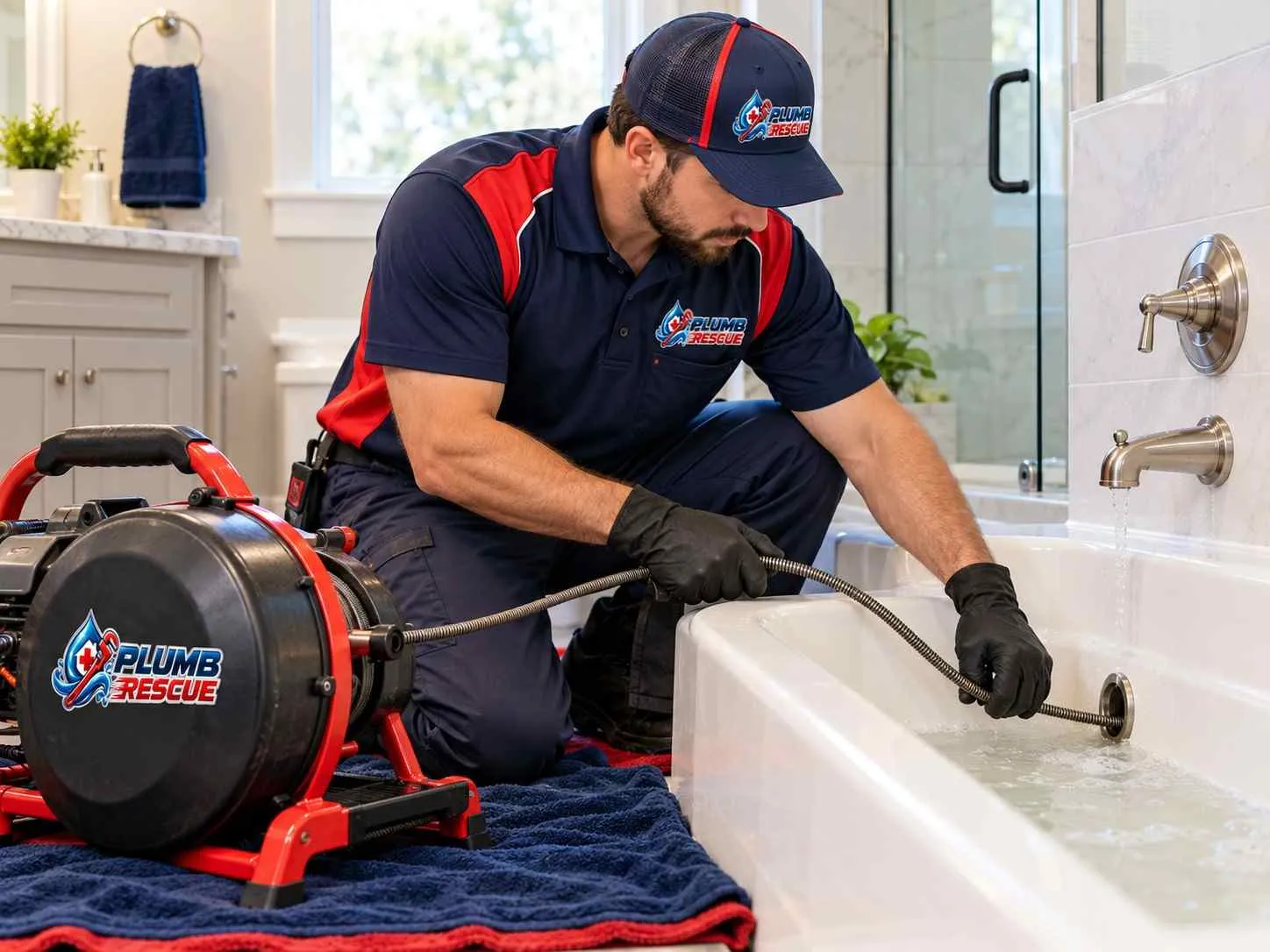
Emergency sewer backup service needs to determine whether the problem affects a localized fixture or the broader wastewater path. The service then follows the affected drainage route toward the condition preventing normal flow.
The affected fixtures and drains help show whether wastewater return involves one plumbing point or a broader connected drainage system.
The drainage path needs evaluation to determine where normal wastewater movement stops or begins returning toward connected fixtures.
The service narrows the affected section so the repair or clearing work targets the drainage area responsible for the backup.
The service addresses the obstruction or drainage condition that prevents wastewater from moving through the intended sewer path.
After restoring flow, the connected drainage points need checking to confirm that wastewater exits instead of returning through fixtures.
Emergency plumbing information
The right service approach depends on how many fixtures are affected, where wastewater appears, and whether the backup points toward a shared drainage route rather than one localized drain.
One affected fixture can indicate a localized issue, while several backed-up fixtures can point toward a broader drainage problem.
The pattern of wastewater return helps identify which connected drainage route may be failing to carry flow away.
A floor drain, toilet, shower, or several fixtures backing up together can help narrow the affected portion of the drainage system.
The location of the suspected blockage affects where the drainage path can be evaluated and where corrective work can begin.
Emergency plumbing information
Stop adding wastewater to the affected drainage system and avoid unnecessary contact with sewage. Focus on limiting fixture use and identifying which drains or fixtures show backup.
Avoid flushing toilets, running sinks, using showers, or sending more wastewater into a drainage system that is already backing up.
Keep people and pets away from sewage or wastewater that has entered floors, bathrooms, or other occupied areas.
Identify which toilets, drains, showers, tubs, or floor drains show wastewater return and whether several fixtures are involved.
Contact Plumb Rescue when wastewater continues returning or several connected fixtures stop draining normally.
Not sure whether the problem is localized or broader? Read our drain or sewer guide.
If several drains are affected, see the multiple drain guide.
For immediate sewage guidance, use the sewage backup guide.
Emergency plumbing information
A sewer backup develops when wastewater cannot continue through its normal drainage path. The obstruction or drainage condition can occur within a shared line that serves several connected fixtures.
A blockage within the main drainage path can restrict wastewater from several fixtures and force flow back toward lower drainage points.
Material accumulating inside a sewer or drainage line can reduce available flow until wastewater can no longer move through normally.
A damaged or compromised drainage section can interfere with wastewater movement and contribute to repeated or worsening backup symptoms.
A severe restriction can reduce the line's capacity enough for wastewater to return when connected fixtures send more flow downstream.
Emergency plumbing information
The strongest signs involve wastewater return across connected fixtures rather than one isolated drain. Multiple symptoms can indicate that the problem extends into a shared drainage route.
Multiple toilets, sinks, showers, or drains backing up together can point toward a problem within a shared wastewater path.
Wastewater rising through a shower, tub, toilet, or floor drain signals that normal drainage flow has reversed.
Sewage or wastewater appearing from a low floor drain can indicate that the downstream path cannot carry incoming flow away.
Wastewater that returns after fixtures are used can indicate that the drainage path still contains an unresolved obstruction or restriction.
Emergency plumbing information
The number of affected fixtures helps separate a sewer backup from a localized drain problem. A single blocked fixture and several wastewater-returning fixtures do not represent the same service condition.
Several plumbing fixtures can connect into the same downstream drainage route before wastewater leaves the property.
When multiple connected fixtures fail together, the problem may sit beyond the individual fixture drains and within a common wastewater path.
Localized blockage symptoms fit emergency drain cleaning more closely, while multiple wastewater-returning fixtures point toward sewer backup service.
The affected fixture pattern helps define whether service should focus on one drain or investigate a broader section of the sewer system.
Common questions
Stop using connected plumbing fixtures and avoid contact with wastewater. Note which drains or toilets are affected, then call for emergency sewer backup service.
Wastewater returning through several fixtures, sewage rising from floor drains, or multiple drains failing together can indicate a broader sewer backup.
Not usually. A blockage isolated to one fixture fits drain-cleaning intent more closely. Multiple wastewater-returning fixtures can indicate a broader sewer or main drainage problem.
Wastewater can return through a lower drainage point when a downstream restriction prevents normal flow and incoming wastewater has nowhere else to move.
Avoid adding more wastewater when several fixtures show backup symptoms. Additional fixture use can send more flow toward a drainage path that already cannot carry it away.
Emergency plumbing help
Wastewater returning through multiple fixtures can indicate a broader drainage failure rather than one isolated clog. If sewage is backing up inside the property, contact Plumb Rescue for emergency sewer backup service in Bradenton, FL.